
 Earlier we talked about how rosacea is a chronic inflammatory skin condition that often appears as persistent redness, flushing, visible blood vessels, or acne-like bumps on the central face. While rosacea is not caused by lifestyle choices, daily habits can strongly influence how often symptoms flare — and how intense they become.
Because rosacea-prone skin is highly reactive, both internal and external stressors can increase inflammation and vascular responses. The encouraging news is that understanding these connections can allow you to make small, realistic adjustments that support calmer, more resilient skin over time.
Stress
Stress is one of the most commonly reported rosacea triggers. When the body experiences stress, it releases cortisol and other inflammatory chemicals that can increase facial flushing, worsen redness, and heighten skin sensitivity.
While eliminating stress is unrealistic, improving how we respond to stress can reduce its impact. Mindfulness, meditation, deep breathing exercises, and low-impact movement such as walking or yoga can all help regulate the nervous system. Over time, this may reduce flare frequency and improve overall skin stability.
Diet
Food does not cause rosacea — but certain foods can act as triggers in some individuals. Common dietary triggers include spicy foods, alcohol, and caffeine. These items may increase vasodilation (blood vessel expansion) or stimulate inflammatory pathways, leading to flushing or prolonged redness.
On the other hand, focusing on anti-inflammatory nutrition can support overall skin health. Whole, minimally processed foods such as omega-3–rich fish, leafy greens, and colorful vegetables are beneficial not only for general wellness but also for maintaining a healthier inflammatory balance in the body.
Rather than overly restricting your diet, keeping a simple Food and Symptom Journal can help you identify your personal triggers. This allows you to make informed adjustments without unnecessary elimination.
Exercise
Exercise is essential for cardiovascular health, mental well-being, and metabolic balance. However, increased body heat and blood flow can trigger flushing in rosacea-prone skin.
This does not mean exercise should be avoided! Instead, small adjustments can make workouts more manageable. Choosing moderate or lower-impact activities, taking breaks to cool down, staying hydrated, and using a fan after workouts can all help minimize heat-related flares. It is also important to avoid “hot yoga” or “hot pilates”. The goal is not restriction — it’s adaptation. Movement remains a vital part of overall wellness and long-term inflammation control.
Sun Exposure
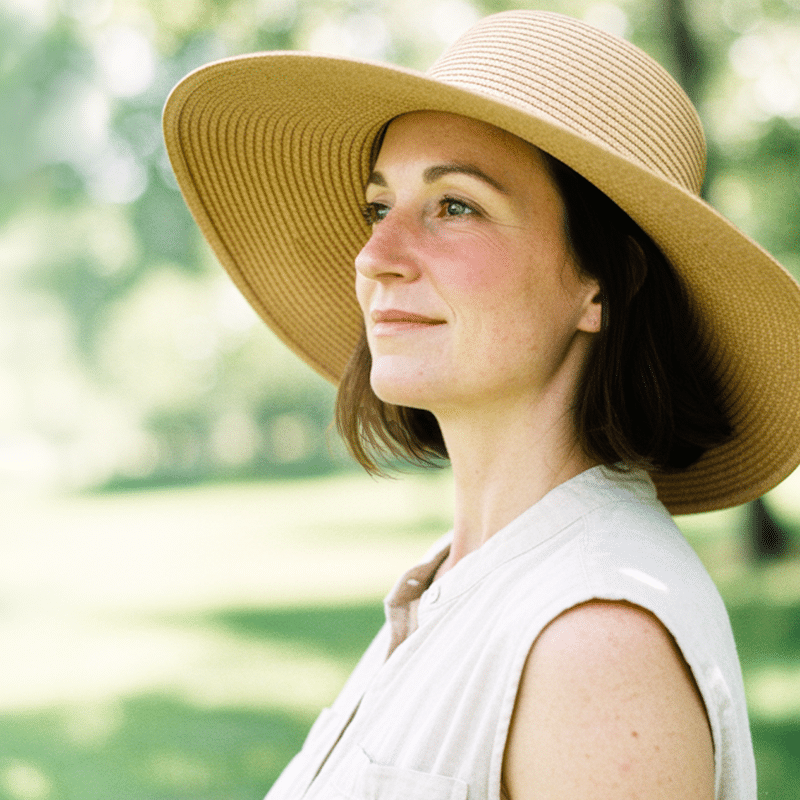
Sun exposure is one of the most significant triggers for many people with rosacea. Ultraviolet (UV) radiation increases inflammation, weakens the skin barrier, and worsens redness over time.
Daily sun protection is critical. In addition, adjusting skincare routines seasonally and prioritizing barrier-supportive products can help reduce environmental stress on sensitive skin. Your sunscreen should be physical sun block with Zinc Oxide (ZO). Zinc is strong anti-inflammatory and can be helpful in controlling rosacea. Chemical-based sunscreens quite commonly create more irritation to the skin and worsen rosacea.
Sleep
Skin repair happens primarily during sleep. Inadequate rest can increase systemic inflammation and delay healing processes, making rosacea symptoms more noticeable.
Aim for about eight hours of quality sleep each night whenever possible. Consistent, restorative sleep allows the body to reset, regulate inflammatory responses, and better support overall skin health. Even small improvements in sleep consistency can make a noticeable difference over time.
Skincare Habits Matter
In an effort to “fix” redness or breakouts, some individuals unintentionally worsen rosacea through overly aggressive skincare. Over-cleansing, harsh exfoliation, fragranced products, and frequently switching products can compromise the skin barrier and increase inflammation.
Rosacea-friendly skincare often requires a shift toward simplicity and consistency. Minimal routines that focus on gentle cleansing and barrier-supportive ingredients can reduce sensitivity and strengthen the skin over time. A healthy skin barrier plays a central role in reducing flare frequency and improving overall comfort. Try our Purifying Cleansing Mousse and our Epiderme Nutri Cream.
Creating a Healthy Lifestyle With Rosacea
Managing rosacea is not about perfection or rigid rules. It is about awareness, patience, and consistency. Small, thoughtful adjustments — combined with appropriate skincare and professional guidance — can significantly improve both comfort and confidence over time.
Rosacea is a medical condition, not a personal failure. Lifestyle factors do not cause rosacea, but they can influence how it behaves. With education and a compassionate approach, it is absolutely possible to live well — and confidently — with rosacea.
If symptoms are persistent or worsening, working with a dermatologist is essential for proper diagnosis, treatment, and long-term management. Contact us at 972-608-0808 to schedule a Skincare Consultation in Plano, TX for help developing a Personal Rosacea Treatment plan, customized for you and your skin.